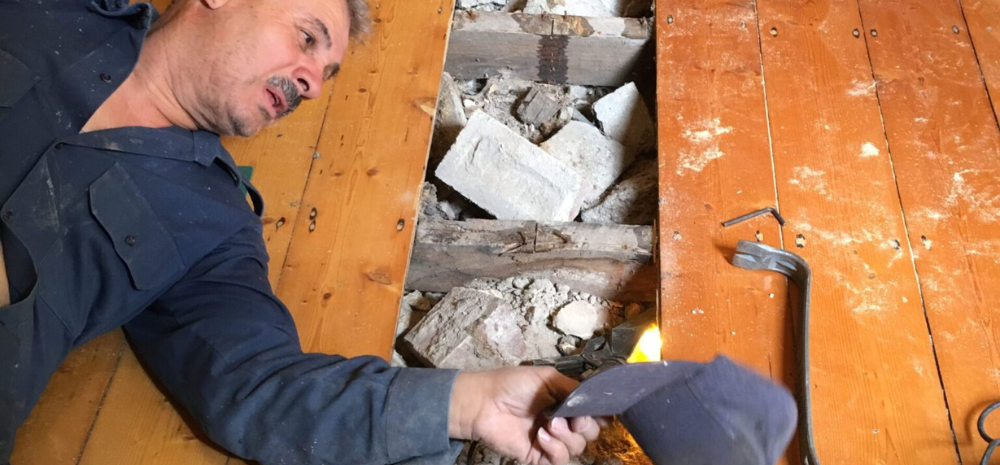
Location: Subfloor insulation is typically installed in the crawl space or between the floor joists, creating a barrier between the conditioned space above (the interior of the building) and the unconditioned space below (the ground or foundation).
Materials: Various insulation materials can be used for subfloor insulation, including fiberglass batts, foam boards, spray foam, reflective foil, and other types of insulating materials. The choice of material depends on factors such as cost, local climate, and the specific requirements of the building.
Installation: The insulation is installed in a way that minimizes gaps, ensuring a continuous barrier against heat transfer. Proper installation is crucial to achieving the desired thermal performance.
Whats the benefits for subfloor insulation ?
Energy Efficiency: Subfloor insulation helps reduce heat loss in the winter and heat gain in the summer, resulting in lower energy bills.
Thermal Comfort: Insulating the subfloor can contribute to a more consistent and comfortable indoor temperature.
Moisture Control: Some insulation materials also provide a barrier against moisture, helping to prevent issues such as mold growth and wood rot in the subfloor area.
Considerations:
Ventilation: Proper ventilation in the subfloor area is important to prevent moisture buildup and maintain a healthy indoor environment. Insulation should not impede necessary air circulation.
Pest Control: Insulation materials should be chosen and installed in a way that does not attract or provide a habitat for pests.
Our Services